The bug we'd have chased for a week, we found by lunchtime
How an AI-built diagnostic tool caught two hidden checkout bugs on a busy online store in hours, and why an engineer still makes the fix.
For years, design moved in small steps. A better tool here, a faster export there. The wave of AI now landing across the major design platforms is a different kind of change, and it is the most interested we have been in this craft in twenty years. The temptation is to read that as 'the software now does the designing'. It does not. The closest analogy we have found is a superhero. The hero still does the work. The power just gives them more range.
Here is where that extra range shows up most for clients.
The biggest practical shift is in how early we can put something real in front of the client. In the past, a strategy conversation ran on description. We would talk through a creative direction and ask the client to picture it, then go away and build it, then find out a week later that what they imagined and what we imagined were two different things. Now we can generate concrete examples in the room: three or four directions they can actually look at and react to, in minutes rather than days.
That one change does two useful things. Approvals move faster because clients respond to something tangible rather than a paragraph. And the brief gets sharper, because seeing a direction they do not like tells us as much as seeing one they love. By the time we commit to the real work, we are building the thing they have already chosen, which means their campaign hits the market while the idea is still fresh rather than after a fortnight of back-and-forth.
To make that concrete: on a recent campaign, we put four directions in front of a client at the first meeting, one of which we were fairly sure they would dislike. They did, and the single sentence they used to explain why reshaped the whole brief. That conversation would once have happened a week and a draft later. Pulling it forward did not just save time; it meant the final work was built on what they actually wanted rather than our best read of it. Cheaper, too, since we burned less of the budget building the wrong thing first.
It is worth being clear about what 'based on what is performing' really means, though. The AI is pattern-matching against what tends to do well in a category, which is a fine prompt for ideas and a poor substitute for knowing your particular audience. We treat its suggestions the way we would treat a sharp junior's first pass: a useful spark, never the last word. The value is in how quickly it gets us to something real to react to, and more often than not the direction we end up loving is one it nudged us toward sideways.
We are doing a lot of this in Canva. Its AI can review a client's existing posts and suggest fresh creative directions based on what is actually performing in their space, which is a useful starting point rather than a finished answer. Canva also rolled out its biggest update in more than a decade this year, Canva AI 2.0, and the platform's partnership with Anthropic, the company behind Claude, means the tooling is improving at a pace we have not seen before in this field. These are the tools we reach for. The judgement about what fits the client's brand stays with us.
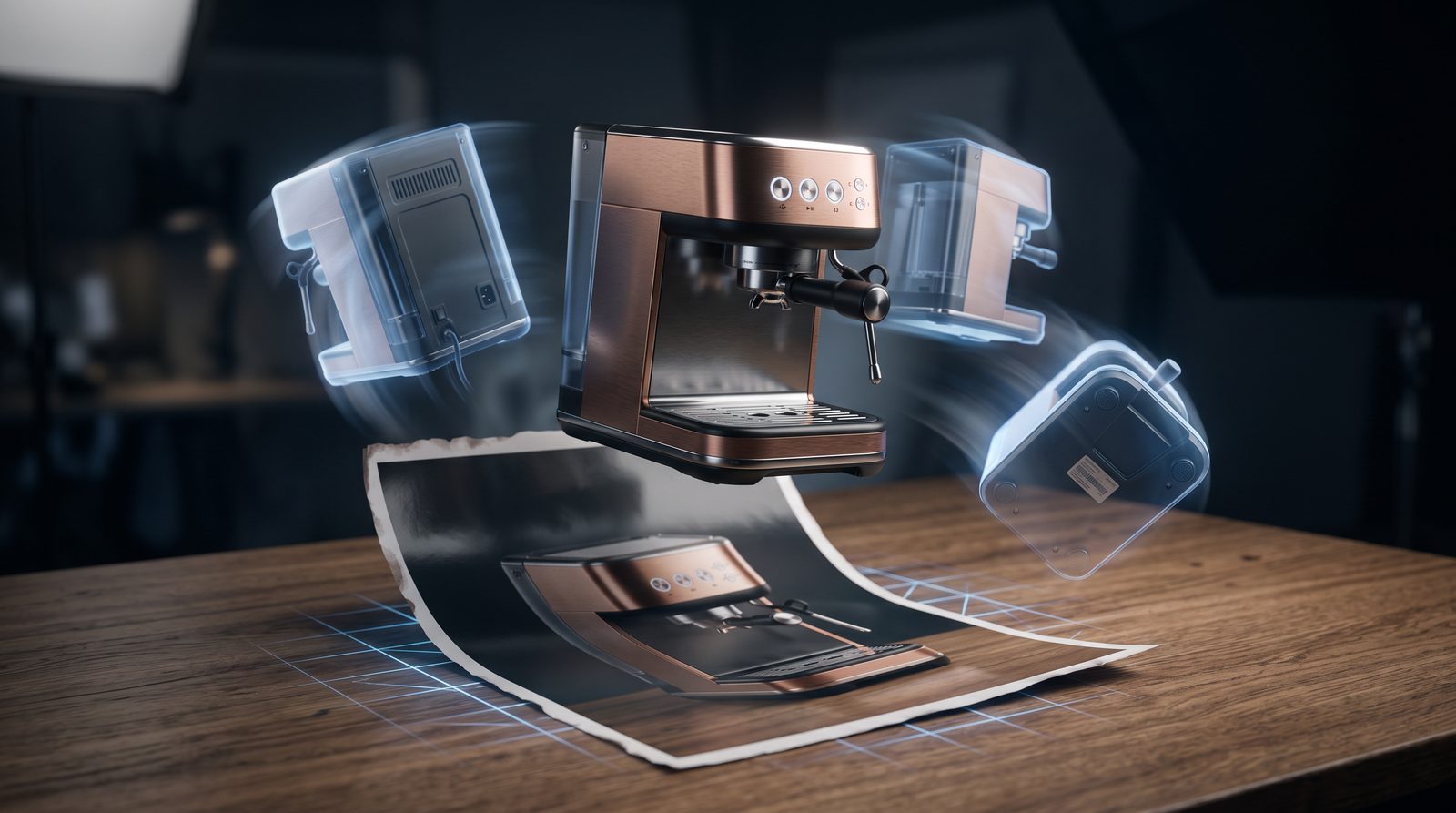
Photoshop is worth a mention, too. Its newer generative tools can take a single flat product shot and produce new angles from it, predicting what the back and sides of a product look like to build something close to a full rotation. For a client with one product photo and no budget for a 3D artist or a reshoot, that is a capability that simply was not on the table a year ago. It is the kind of thing that used to require a studio and a day. Now it can be a starting point we refine.
Now, the part we would be doing you a disservice to skip. These tools are fast, and fast is not the same as on-brand. Canva's AI will happily wander off-brief if you let it. It does not always respect the safe zones that keep a logo clear or a message legible, and it can produce something that looks polished while quietly breaking a brand rule you care about. A machine has no idea that the slightly-off shade it picked is not your blue, or that the headline it cropped now reads as something you would never say.
So every AI-assisted piece still gets a human pass before it reaches the client. The tool widens the range of what we can explore in a morning. A designer still decides what is good enough to put the client's name on, and catches the things the AI cannot see because it does not actually understand their brand the way a person who works on it does.
The practical upshot is earlier visibility, faster approvals, and creative options that used to be out of reach on a normal budget. What has not changed is the part that was always the point: a person who understands the brand making the final call. We are excited about where this is heading and watching it closely, because the gap between 'looks impressive' and 'is actually right' is exactly where careful design still earns its keep.
How an AI-built diagnostic tool caught two hidden checkout bugs on a busy online store in hours, and why an engineer still makes the fix.
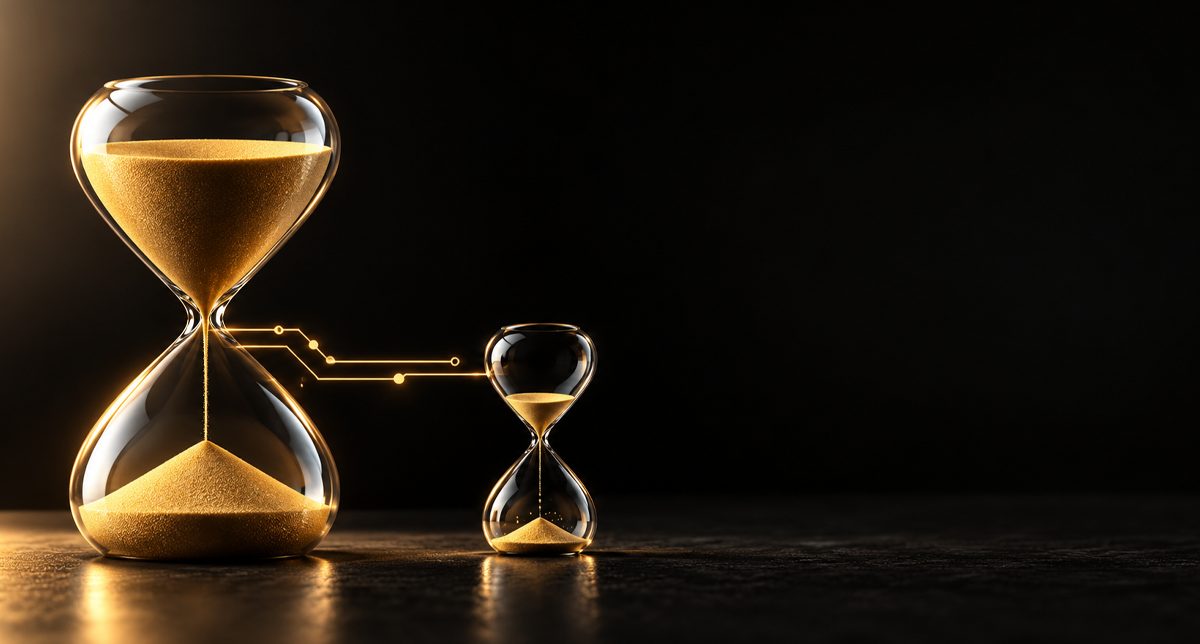
How an AI-native code editor turned a fortnight's courier integration into an hour's first draft, and why the saved time goes into testing and polish.

ChatGPT Ads, YouTube auto-linking, Veo video and AI Max: what changed in paid media this quarter and how we test new tools before scaling spend.
Book a free call and we will show you where AI-native marketing can grow your business.
Book a call ↗