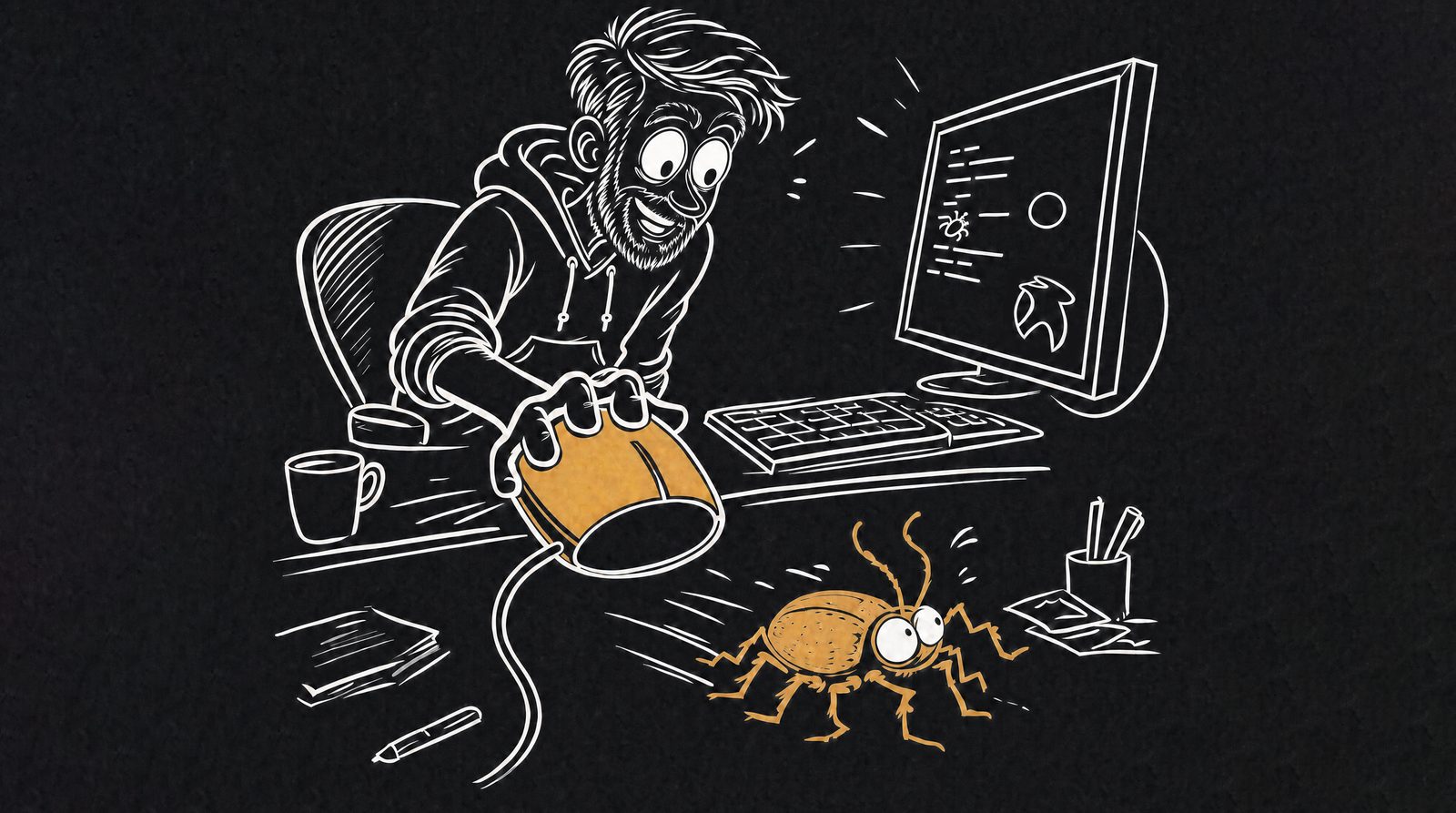
The bug we'd have chased for a week, we found by lunchtime
How an AI-built diagnostic tool caught two hidden checkout bugs on a busy online store in hours, and why an engineer still makes the fix.

Paid media has handed us more new options this quarter than we have seen in years. The useful ones all point the same way: more places to reach people who already want what a client sells. Our job is to work out which are real and which are noise, and to test each one before it carries real weight in a client's account.
The headline is ChatGPT Ads. On 5 May, OpenAI opened a self-serve Ads Manager for advertisers with no minimum spend; a real shift. For the first time, clients can put their brand in front of people at the exact moment they are asking an AI to help them decide something. That intent is valuable, and being early to a channel can be an advantage in itself, before the competition arrives and pushes the price up.
We will temper that with the honest detail, because the hype around this one is loud. It is early. The buying options are still basic, the targeting is coarse, and there are no proper agency accounts yet, so running it is more hands-on than a mature platform. For a client who wants us to manage it, the practical path right now is to hold their own account, get approved by OpenAI, then invite us in. It is worth doing for the right brand with the right offer. It is not worth doing simply because it is new.
The fit depends on the buyer. For a brand selling something people research before they buy, a considered purchase rather than an impulse one, those customers are already asking an AI about the category, and there is a real argument for being in that conversation early. For a brand whose buyers do not behave that way, this one can wait. We would rather tell a client to sit a hype cycle out than spend their money helping us prove a point. Either way, the decision turns on the client's customers, not on the ad-tech launch calendar.
To be clear, none of our caution here is reluctance to use AI. We use it heavily, every day. It is reluctance to lean on something with a client's full budget before the results are in. There is a difference between being an early adopter and being a paying beta tester, and a client's spend belongs on the right side of that line. So when we trial a new tool, we start small, watch it closely, and only widen it once the numbers hold up.
First, from 10 June, Google began automatically linking a client's YouTube channel to their Google Ads account wherever it can see common ownership. A connected channel feeds the platform stronger audience signals, which usually helps performance, so on balance this is a change we welcome. The one thing we need from clients is simple: confirmation of which YouTube channel is genuinely theirs, so we can check that the right one is linked, and nothing unexpected has slipped through automatically.
Second, Google has put Veo, its AI video model, inside Google Ads. In plain terms, this means we can now produce video in-house for the campaign types where video does the most work, like Performance Max, Demand Gen and Display, without commissioning a separate production for every test. That lets us trial video in more places, cheaply, and keep the versions that earn their slot.
The honest caveat is that AI video is good, not flawless, and it shows its seams worst on anything with people, hands or on-screen text. So we use it where it genuinely shines, on product, motion and atmosphere, and we still reach for a real shoot when the brief calls for one. It is another tool in the kit, not a reason to stop thinking about which tool the job actually needs. Clients can usually tell the difference even when they cannot say why, so we would rather get that call right.
Let's be straight about AI Max, Google's AI-driven successor to Dynamic Search Ads. It exited beta in April, and Google has confirmed it will replace Dynamic Search Ads. From September, Google stops letting advertisers create new Dynamic Search Ads campaigns and begins automatically migrating existing ones, along with a couple of related campaign types, across to AI Max, with the bulk of that expected to wrap up by the end of the month. Our early tests have been underwhelming. The performance has not yet justified the control we give up, so we are still working out the right mix of assets and settings before rolling out.
That is the rule that runs through all of this. We bring new tools in cautiously, trial them in controlled conditions, watch the results honestly, and only scale them once they have earned it. A lot of budget is being spent across the industry right now on platforms and features that simply are not ready. Our instinct is to be curious and patient at the same time: quick to understand a new option, slow to bet a client's money on it.
Away from the new platforms, AI is already saving the campaign management team real hours on the unglamorous work; the reporting and the research that used to fill a chunk of every week. That time does not vanish. It goes straight back into the part that actually moves the numbers: watching the accounts, testing, and tuning the campaigns already running. More options to reach an audience on one side, more of our time to tune what works on the other, and the same rule keeping the two in balance.
How an AI-built diagnostic tool caught two hidden checkout bugs on a busy online store in hours, and why an engineer still makes the fix.

AI design tools in Canva and Photoshop let us show clients real options in the room. Why a designer still makes every final call on brand.

How an AI-native code editor turned a fortnight's courier integration into an hour's first draft, and why the saved time goes into testing and polish.
Book a free call and we will show you where AI-native marketing can grow your business.
Book a call ↗