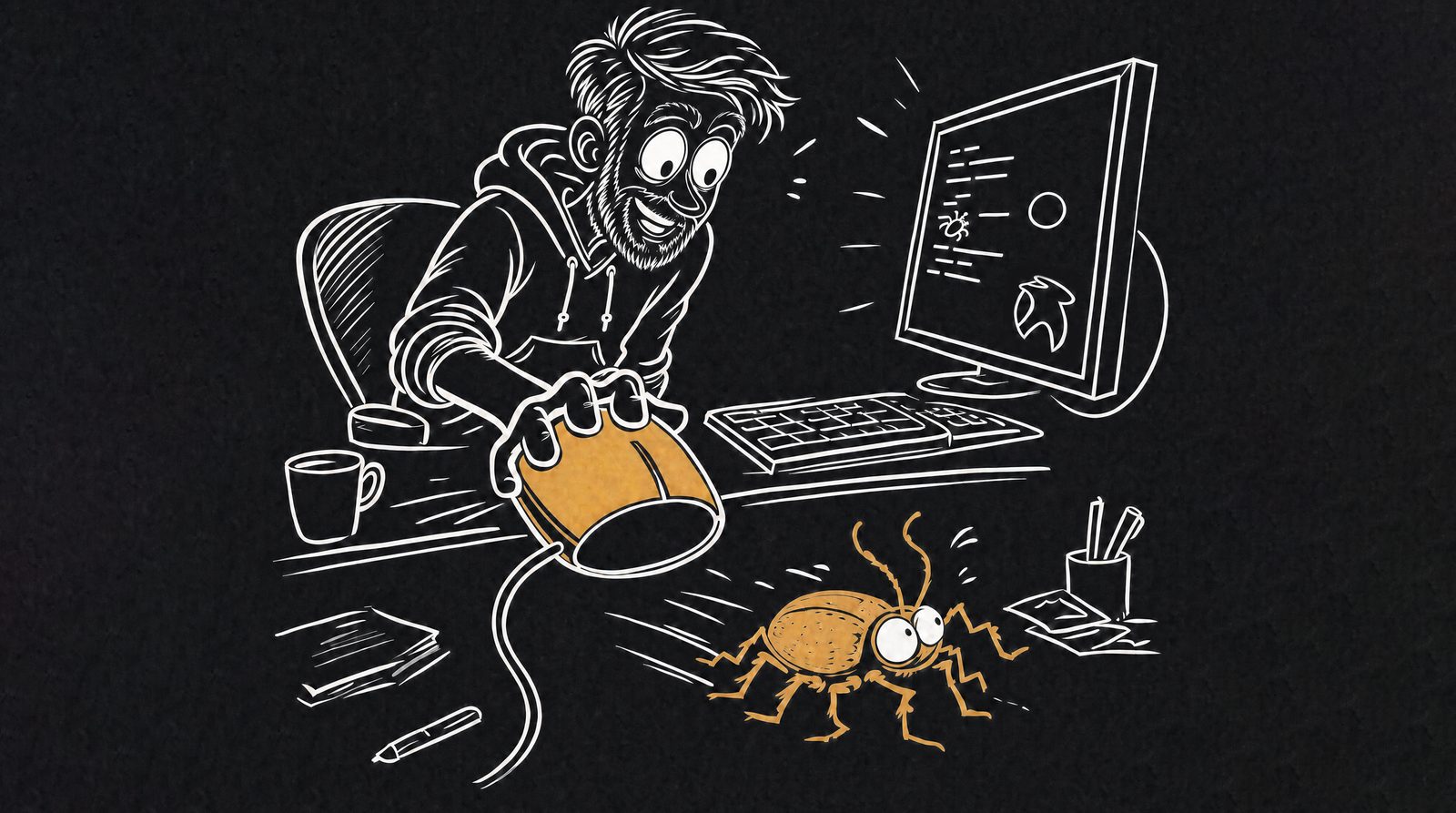
The bug we'd have chased for a week, we found by lunchtime
How an AI-built diagnostic tool caught two hidden checkout bugs on a busy online store in hours, and why an engineer still makes the fix.

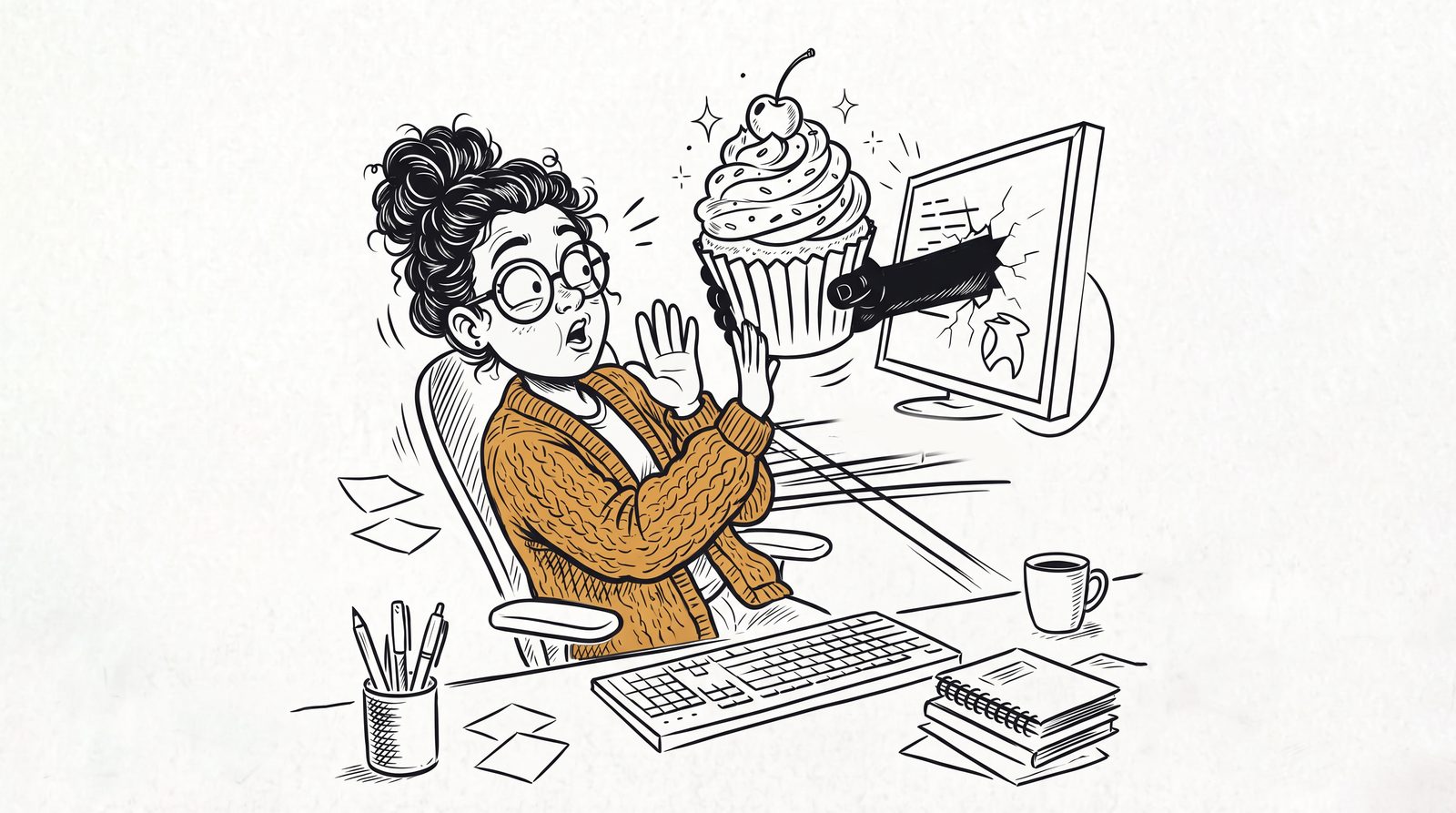
Previously, we would accept AI's willingness to please. However, we now know better. Instead, we specifically instruct our AI to avoid being polite. The new command is: "Don't sugar-coat anything; challenge us". It obliges. One example - ahead of a client meeting, it read back six months of call transcripts and email threads and told the account manager, in plain terms, that the account hadn't moved as far as it should have. It was not a fun morning. It was also exactly the point.
We are careful about what we claim AI does for an account, because the honest version is less exciting than the marketing version. What it does well is notice things a person, understandably, might not catch while they are also running the meeting, taking the call, and keeping five other accounts moving. Fed a stretch of meetings and correspondence, it will quietly flag that a brief set two KPIs against each other months apart, or that an action raised in passing during a June call never made it into a July report. None of that requires cleverness. It requires patience and a complete memory, which is precisely what a person juggling a full desk of accounts does not always have to spare.
That is the internal use. The client-facing version of the same shift is reporting itself. We have started building client updates as proper visual presentations rather than a spreadsheet talked over for an hour, using the same meeting and account data to put the story on the screen instead of leaving it to be described. It sounds like a small change. It has not felt like one in the meetings where we have tried it.
The real benefit is not that the slides look sharper, though they do. It is what happens when a client can see a chart instead of being told about one. People ask better questions when they are looking at something concrete, and a few of the account leads have noticed clients pushing back and probing in meetings where, in the old format, they might have quietly agreed and hoped it made sense later. Reporting has never been about impressing anyone with a dashboard. It has been about a client walking away from an hour of their time with something they can actually use, and that only works if they understand it well enough to argue with it.
None of this changes who is accountable for what lands in your inbox. The tools draft, cross-reference, and flag. Your account manager reads every line, decides what actually matters to your business this month, and puts their name behind the recommendation before it reaches you. If a report tells you something is fine when it is not, that is not the AI getting it wrong. That is us getting it wrong, and we would rather find that out from an uncomfortable Tuesday morning conversation with our own tools than from you.
So here is the honest pitch. We are not using this to produce more reports, faster, and call it a win. We are using it to catch the things that used to slip through a busy quarter, and to hand you something you can actually read at a glance instead of sitting through.
How an AI-built diagnostic tool caught two hidden checkout bugs on a busy online store in hours, and why an engineer still makes the fix.

AI design tools in Canva and Photoshop let us show clients real options in the room. Why a designer still makes every final call on brand.

How an AI-native code editor turned a fortnight's courier integration into an hour's first draft, and why the saved time goes into testing and polish.
Book a free call and we will show you where AI-native marketing can grow your business.
Book a call ↗